
"Ethiopian natural"
3000 article(s) found

Ethiopian Bishan Dimo Water washing Station Coffee introduces what brands Ethiopian coffee has
Professional coffee knowledge exchange more coffee bean information please follow the coffee workshop (Wechat cafe_style) Bishan Dimo washing station the story of the Yonis family began in Hara's warm and dry climate. Harald, the easternmost coffee-growing region of Ethiopia, is famous for its naturally processed coffee because of the lack of water in the region. The Harari are proud of their amber beans.

Ethiopian Coffee Manor Flavor Taste introduces Ethiopian boutique coffee beans
Sustainable coffee culture Ethiopian coffee beans grow in close to the natural environment, after years of planting under the same growth conditions, Ethiopian coffee beans have gradually adapted to the environment here. More than 60% of coffee beans are grown in forests or semi-forests. The villages that grow coffee in large areas account for about the total amount of coffee produced in the country.

Flavor and taste characteristics of Ethiopian coffee manor introduce Ethiopian coffee varieties
Ethiopian coffee beans grow in close to the natural environment, after years of planting under the same growth conditions, Ethiopian coffee beans have gradually adapted to the environment here. More than 60% of coffee beans are grown in forests or semi-forests. Large-scale coffee-growing villages account for about 35% of the country's total coffee production. Many of these are used.

A brief introduction to the History and Culture of the Origin and Development of Coffee beans in Harald Moka Manor in Ethiopia
Ethiopia has unique natural conditions suitable for growing all imaginable varieties of coffee. As a highland crop, Ethiopian coffee beans are mainly grown in areas between 1, 100 and 2300 meters above sea level, roughly distributed in southern Ethiopia. Deep soil, well drained soil, weakly acidic soil, laterite and soil are soft and contain

Ethiopian Coffee | Kafa Forest Coffee | characteristics of Ethiopian coffee beans
Professional coffee knowledge exchange more coffee bean information please follow coffee workshop (Wechat official account cafe_style) Kafa primeval forest ecological area (Kafa Forest) Wild Grown wild cultivated varieties country: ETHIOPIA Ethiopia grade: forest wild planting Wild Grown Kafa Forest Coffee producing area: Kafa primeval forest In der Provinz

Different flavors of Ethiopian Coffee Flavor and Taste introduction to the characteristics of Fine Coffee beans in Manor area
In February 1977, Lieutenant Colonel Mengistu Haier Maryam (MENGISTU HAILE MARIAM) launched a military coup and served as Chairman of the interim military Administrative Council and head of State. In 1979, the Ethiopian Labor people's Party Organization Committee, dominated by soldiers, was established to implement an one-party system. In 1984, the Ethiopian Workers' Party was formed according to the Soviet Communist Party model. Mengistu, September 1987

Ethiopian coffee bean flavor taste the manor area introduces fine coffee beans Ethiopian coffee
Sustainable coffee culture Ethiopian coffee beans grow in close to the natural environment, after years of planting under the same growth conditions, Ethiopian coffee beans have gradually adapted to the environment here. More than 60% of coffee beans are grown in forests or semi-forests. The villages that grow coffee in large areas account for about the total amount of coffee produced in the country.

Introduction to the flavor and taste of Ethiopian boutique coffee beans and the characteristics of the manor producing area
A large amount of coffee production (95%) is done by small shareholders, with an average yield of 561 kg per hectare. For centuries, minority holders of Ethiopian coffee farms have been producing a variety of high-quality types of coffee. The secret of producing high-quality coffee is that coffee farmers have developed the right environment through generations of repeated learning about the coffee planting process.

World famous Coffee Tour: Harald Moka, Ethiopia (part I)
[product name]: Ethiopia Harald Mocha (Ethiopia Harar Mokha) [quality rating]: DP Grade 4 [baking]: recommended moderate baking (Medium Roast or City Roast) [grade]: excellent [granule]: ★ full [acidity]: ★★★★ slightly sour, dark chocolate aftertaste [balance]: ★★★★ is very stable

Ethiopian coffee species Origin of Ethiopian coffee
Saifeng coffee beans grow in close to the natural environment, after years of planting under the same growth conditions, Ethiopian coffee beans have gradually adapted to the environment here. More than 60% of coffee beans are grown in forests or semi-forests. Large-scale coffee-growing villages account for about 35% of the country's total coffee production. These use multiple layers.

Ethiopian Ethiopian Esopia Coffee Flavor description method Variety characteristics Taste Manor introduction
Ethiopian coffee flavor description introduces the coffee flavor of Sidamo is very diverse, different soil types, microclimate and countless native coffee species, resulting in obvious differences and characteristics of coffee produced in each town. In 2010-12, he received three consecutive high marks from coffee review 92 to 94, an authoritative coffee review website in the United States.
[coffee beans] classification of Ethiopian coffee
Ethiopia jimma (djimmah Gima) Ethiopia (Ethiopia) famous coffee: Yirgacheffe, Harald, sidamo; and Djimmah are also good and balanced. It is an affordable African mocha forest coffee that grows in the natural environment and under the shade of natural forest trees.

Characteristics of Ethiopian sun-dried coffee beans? Ethiopia Kafa Forest Coffee Flavor
Professional coffee knowledge exchange more coffee bean information please pay attention to the coffee workshop (Wechat official account cafe_style) the characteristics of sun-cured coffee beans in Ethiopian coffee producing areas? What are the flavor and taste characteristics of Ethiopian Kafa Forest Coffee? Many people believe that Ethiopia is the birthplace of coffee and was first found to grow in the ancient Abyssinia of Abyssinia.

In the first match of Ethiopia, COB got a good score of more than 90 points with three beans in the first match.
Despite the economic, social and logistical disruptions in the past few months, the first-ever Ethiopian Cup of Excellence was the first winner. The 28 winning coffees, including the top three with more than 90 points, will be auctioned online on June 25. Although all award-winning coffee growers can celebrate this achievement, through the Ethiopian Coffee and Tea Authority

Why is Ethiopian coffee made by hand? why is it good to drink Ethiopian coffee? is the growing environment good? the characteristics of Ethiopian coffee
For more information on coffee beans, please follow the coffee workshop (Wechat official account cafe_style) Ethiopia's perfect coffee growing environment there is great potential for coffee production in Ethiopia due to high altitude, ample rainfall, suitable temperature, suitable planting materials and fertile soil. In addition, this country has special value to the world because

World boutique coffee farm beans; Harald mocha (part 1) in Ethiopia has a delicate and rich taste
[product name]: Ethiopia Harald Mocha (Ethiopia Harar Mokha) [quality rating]: DP Grade 4 [baking]: recommended moderate baking (Medium Roast or City Roast) [grade]: excellent [granule]: ★ full [acidity]: ★★★★ slightly sour, dark chocolate aftertaste [balance]: ★★★★ is very stable

Individual Coffee beans recommended | Ethiopian Coffee | Yega Sheffield Beretti
Professional coffee knowledge exchange more coffee bean information please follow the coffee workshop (Wechat official account cafe_style) individual coffee bean recommendation-Ethiopia Yega Xuefei Beretti Solar Ethiopia Yirgacheffe Beriti natural production country: Ethiopia Ethiopia production area: Tori Village Tore, Yega Xuefei Yirgacheffe washing Factory: Belle

Aromatic Ethiopian coffee plantation with rich flavor. Flavor characteristics. Variety introduction.
Ethiopian coffee beans grow in a near-natural environment. After years of cultivation under the same growing conditions, Ethiopian coffee beans have gradually adapted to the environment here. More than 60% of coffee beans are forest or semi-forest grown coffee. Coffee farming villages produce about 35 percent of the country's coffee. Many of these are used.
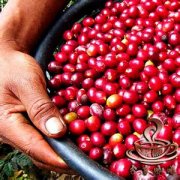
Fresh and Bright Ethiopian Coffee Estate Fine Coffee Flavor Characteristics Description
Ethiopia's Yirgacheffe coffee is petite, but gentle and sweet. As the home of coffee, Ethiopia's millennia of growing and processing traditions have resulted in high-quality washed Arabica beans. Light baked with unique lemon, floral and honey sweet aromas, soft fruit acids and citrus notes, fresh and bright taste. not

Summary of Coffee Bean Flavor cultivation in Ethiopia
Following Cafe Review (Wechat official account vdailycom) found that Fairview Cafe opened a small shop of its own Ethiopian Coffee Overview the full name of the Federal Democratic Republic of Ethiopia (formerly known as Abyssinia) is a country in northeast Africa. English name: The Federal Democratic Republic of Ethiopia, Ethiopia is the origin of coffee